

BLOG
Blog
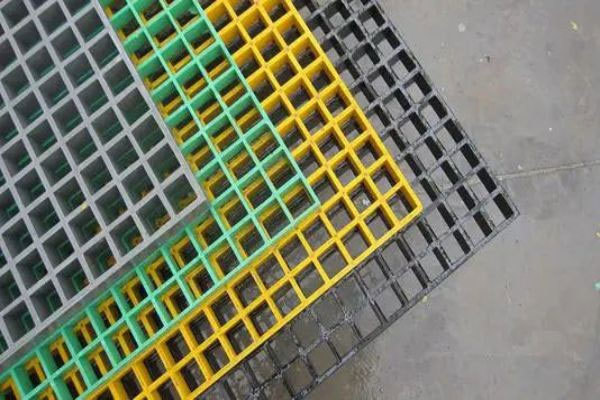
Advantages of fiberglass grating
The biggest advantage of fiberglass is its chemical corrosion resistance and long service life. Fiberglass has special chemical corrosion resistance. When storing corrosive media, it has incomparable advantages over other materials and can withstand various acids, alkalis, salts, and organic solvents. The design of fiberglass is flexible, and it can adopt different anti-corrosion construction schemes according to different usage conditions to meet different requirements. Adjust different media and loads through the selection of anti-corrosion resin and the thickness of the structural layer. Our company has accumulated more than ten years of experience in fiberglass anti-corrosion. Through continuous in-depth research, development and innovation, we break through traditional production processes and develop new ones
14 May,2019
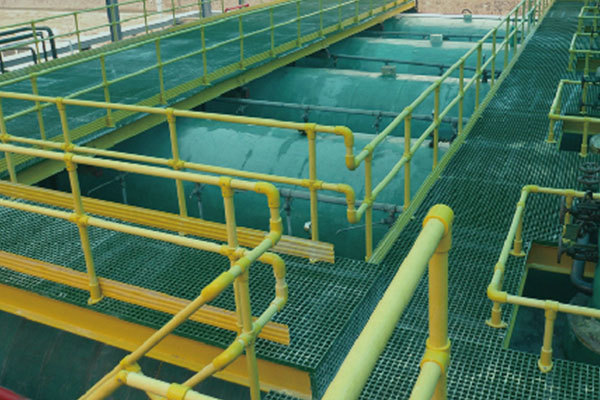
Surface treatment of fiberglass mold
The quality of molded fiberglass products is not only related to the overall technical quality of factory workers, but also to the quality and service life of the molds. The domestically produced fiberglass molds are structurally good and can be compared to other industrialized countries. However, the surface quality of fiberglass molds is generally poor. Apart from defects in domestic mold resins and tool equipment for mold preparation, most domestic manufacturers do not place as much emphasis on the production of master molds and the treatment of mold surface finish as foreign factories. The smoothness of fiberglass products depends on the smoothness of fiberglass molds. Therefore, for high-grade fiberglass products both domestically and internationally
14 May,2019
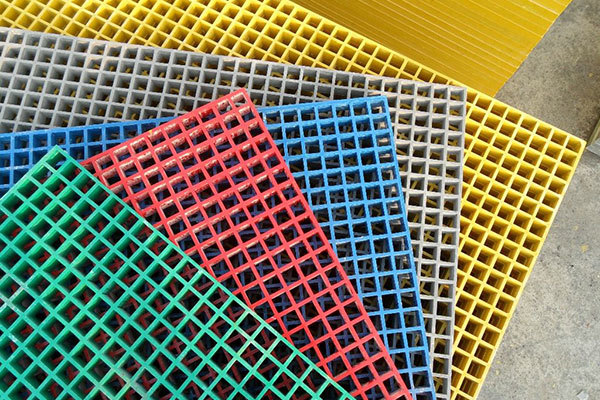
Rail transit construction opens up space for the development of composite materials industry
The application of a large number of fiberglass products has led to the issue of flame retardancy. Due to the use of unsaturated polyester resin as the raw material for the production of most fiberglass products, its flame retardancy is poor and its toxicity is high. In recent years, countries such as Japan, France, Germany, Italy, etc. have successfully developed phenolic fiberglass products that can be hand layed and molded by modifying phenolic resin and selecting new curing systems. They do not require the addition of flame retardants to have high flame retardancy, and have low smoke emission and smoke toxicity, achieving good application results. For example, Japan National Railway uses hand layed phenolic fiberglass to manufacture wall panels and air conditioning channels, Production of phenolic glass by molding
14 May,2019
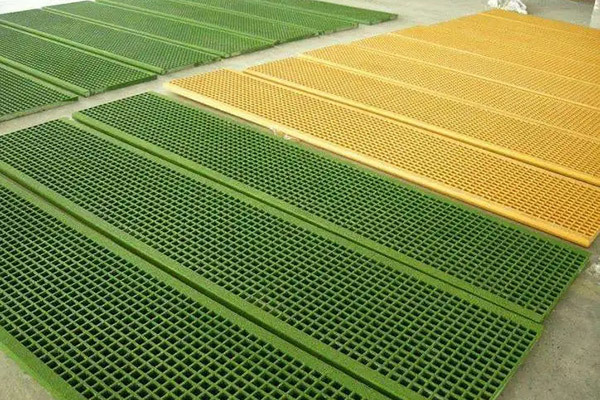
How to choose fiberglass grating
1. To determine what fiberglass grating panels are needed for, that is, to clarify their usage objectives. If a manufacturer in a car wash buys a grille board, they are preparing to use it as a load-bearing plate for the car wash.
26 Apr,2023
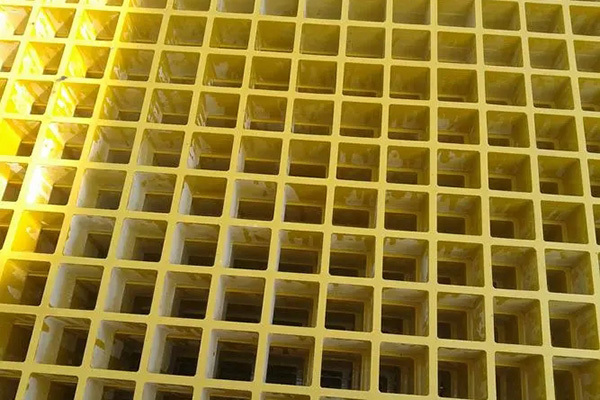
Production process of fiberglass grating
There are three main types of production processes for fiberglass gratings: reciprocating fiber winding process, continuous fiber winding process, and centrifugal casting process.
26 Apr,2023
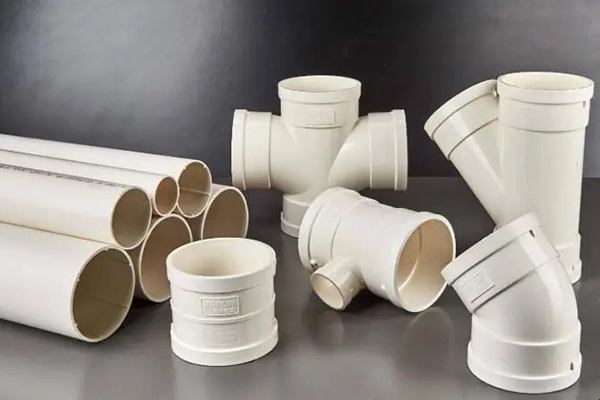
1. Classified by material: metal pipelines and non-metallic pipelines. 2. Classified by design pressure: vacuum pipeline, low-pressure pipeline, high-pressure pipeline, ultra-high-pressure pipeline.
26 Apr,2023
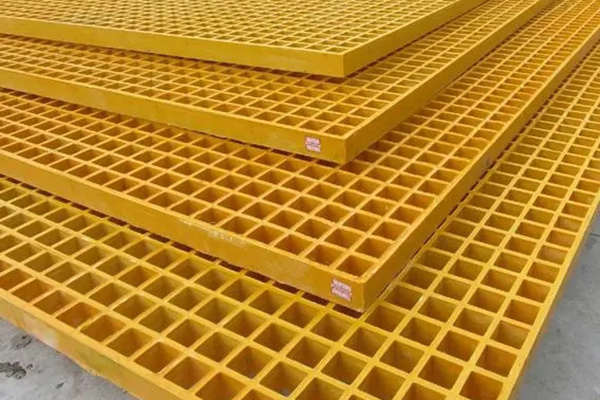
Precautions for using fiberglass grating
1. Due to small density and light material, it is easy to float pipes when installing glass fiber reinforced plastic grids in areas with high underground water level. Anti floating measures such as anchor blocks or rainwater runoff diversion must be considered.
26 Apr,2023
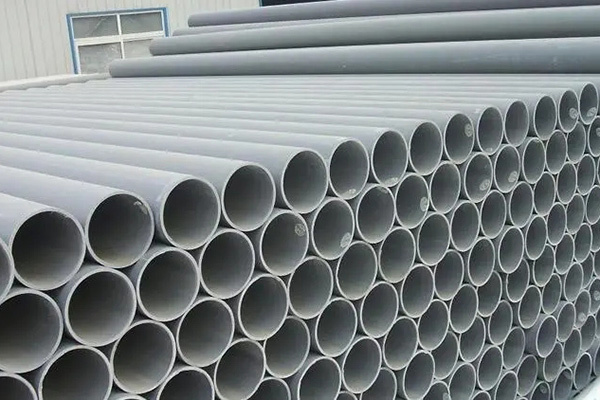
The main purpose of drainage pipes
1. Vertical and horizontal drainage and permeability of highways; 2. Vertical and horizontal drainage of various retaining walls and side ditches on highways;
26 Apr,2023
What is a new composite material?
The history of the use of composite new materials can be traced back to ancient times. The straw reinforced clay that has been used since ancient times and the reinforced concrete that has been used for many years are both composed of two materials. In the 1940s, due to the needs of the aviation industry, glass fiber reinforced plastics (commonly known as fiberglass) were developed, giving rise to the name composite materials. After the 1950s, high-strength and high modulus fibers such as carbon fiber, graphite fiber, and boron fiber were gradually developed. In the 1970s, aramid fibers and silicon carbide fibers emerged. These high-strength and high modulus fibers can be combined with non-metallic matrices such as synthetic resins, carbon, graphite, ceramics, rubber, or metal matrices such as aluminum, magnesium, and titanium to form unique composite materials. The specific strength of high molecular weight polyethylene fibers ranks first among various fibers, especially their excellent resistance to chemical attack and aging resistance. It also has excellent high-frequency sonar permeability and seawater corrosion resistance. Many countries have used it to manufacture high-frequency sonar fairs for ships, greatly improving their mine detection and sweeping capabilities. The composite new materials developed by Sijia New Materials in China represent a high level of domestic development. In addition to military applications, high molecular weight polyethylene fibers also have broad application prospects in fields such as automobile manufacturing, shipbuilding, hospital equipment, and sports equipment. Once this fiber was introduced, it attracted great interest and attention from developed countries around the world.
26 Apr,2023
Jiangsu Aulland New Material Technology Co, Ltd.
Address:
No.289 Jiangyun Road, Development Zone,Nantong City, Jiangsu, China.
Business Department 1:
Business Department 2:
Mobile:
+86 13862943095 Mr Chen
Email:


Request Quote
Please complete this form, and we will contact you by the next business day.